 Image 1 of 9
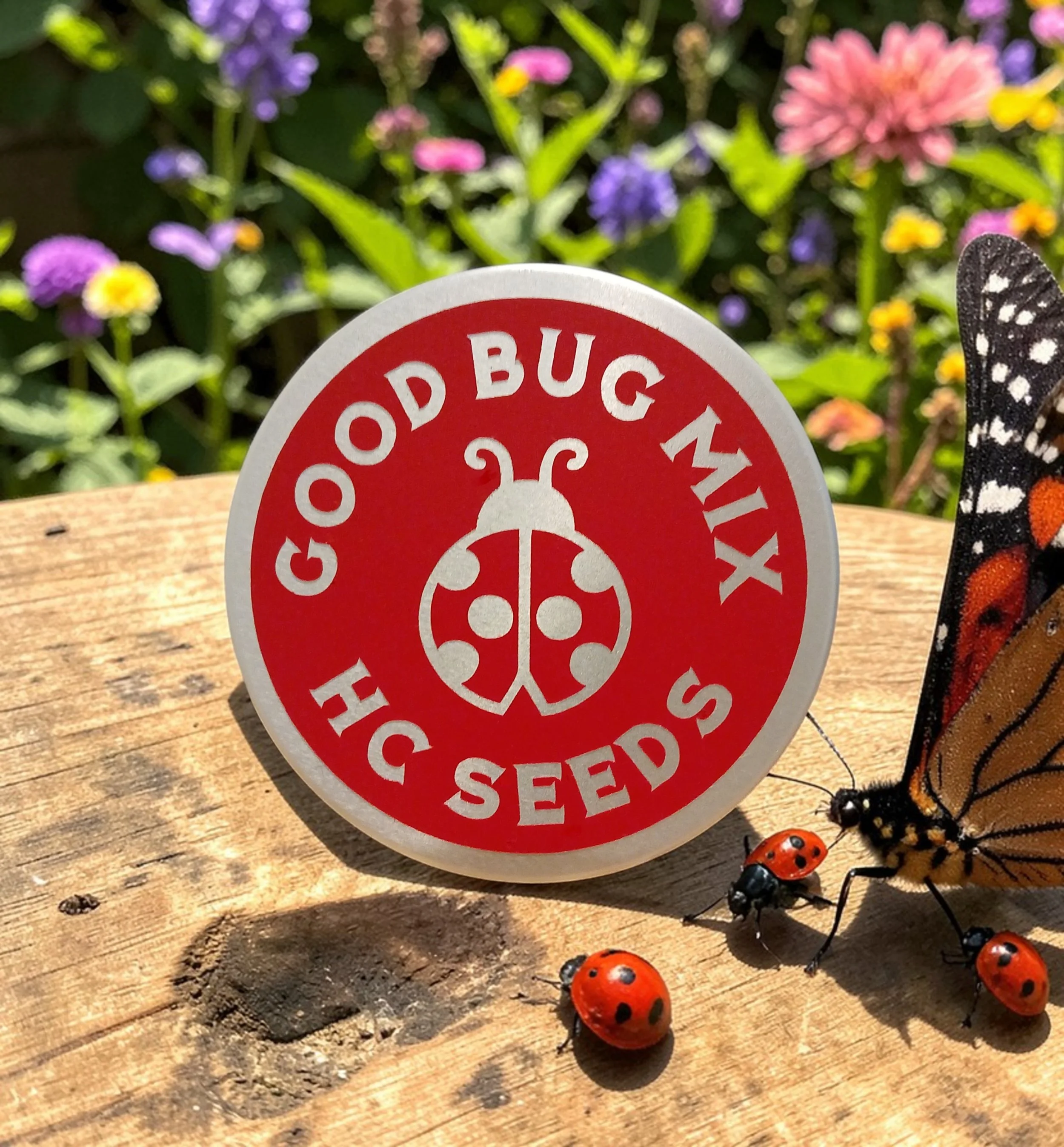 Image 2 of 9
 Image 3 of 9
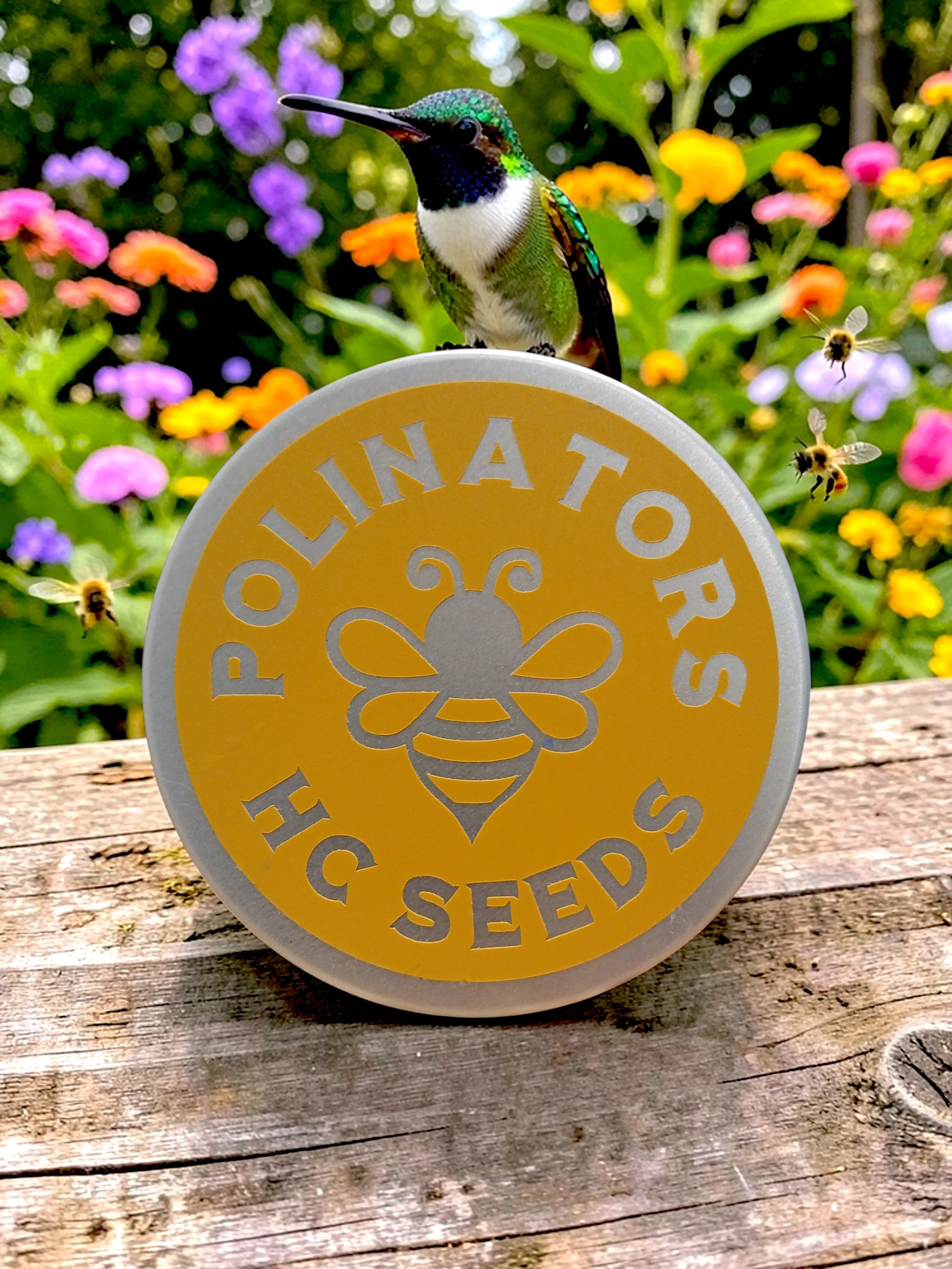 Image 4 of 9
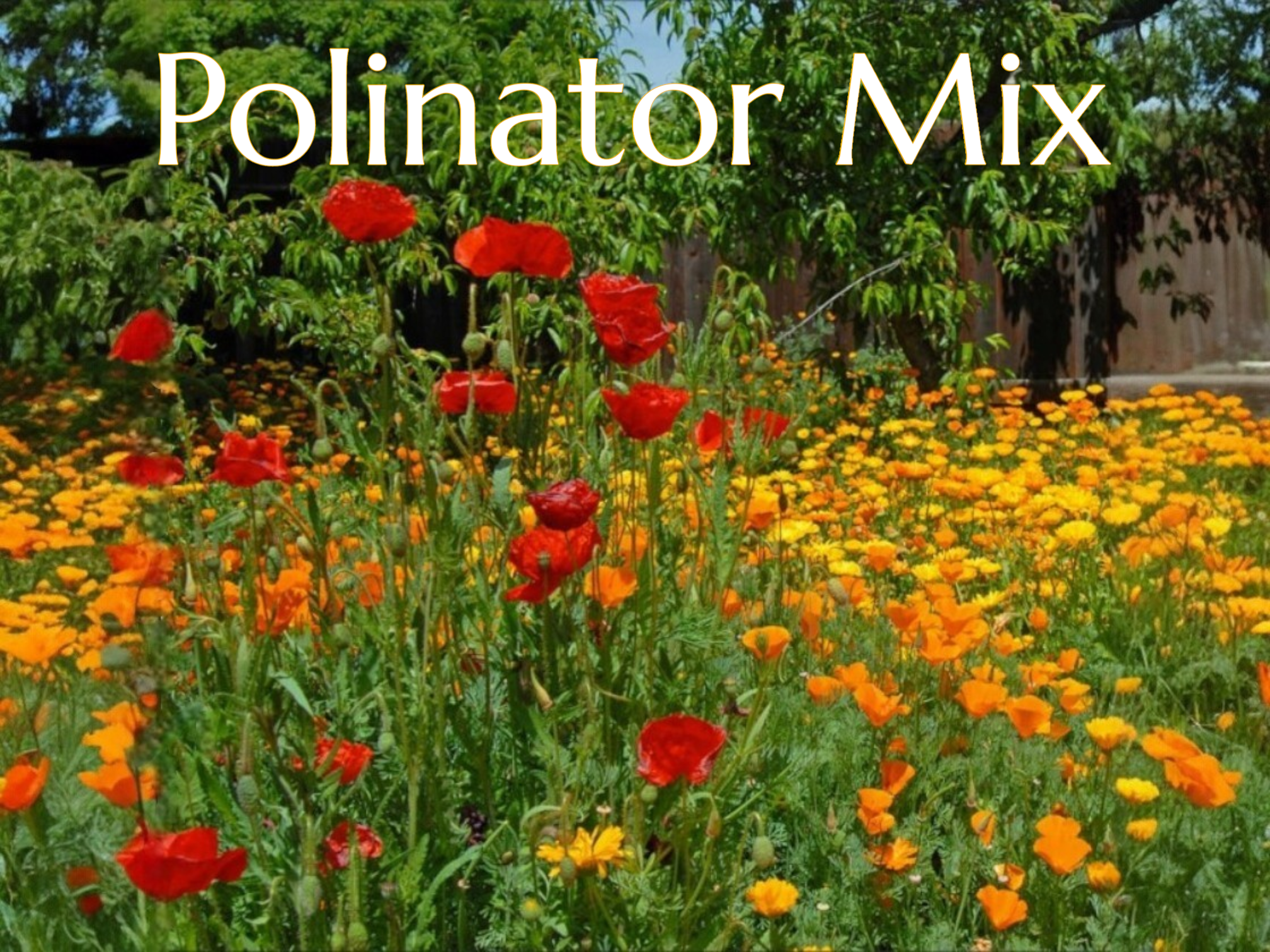 Image 5 of 9
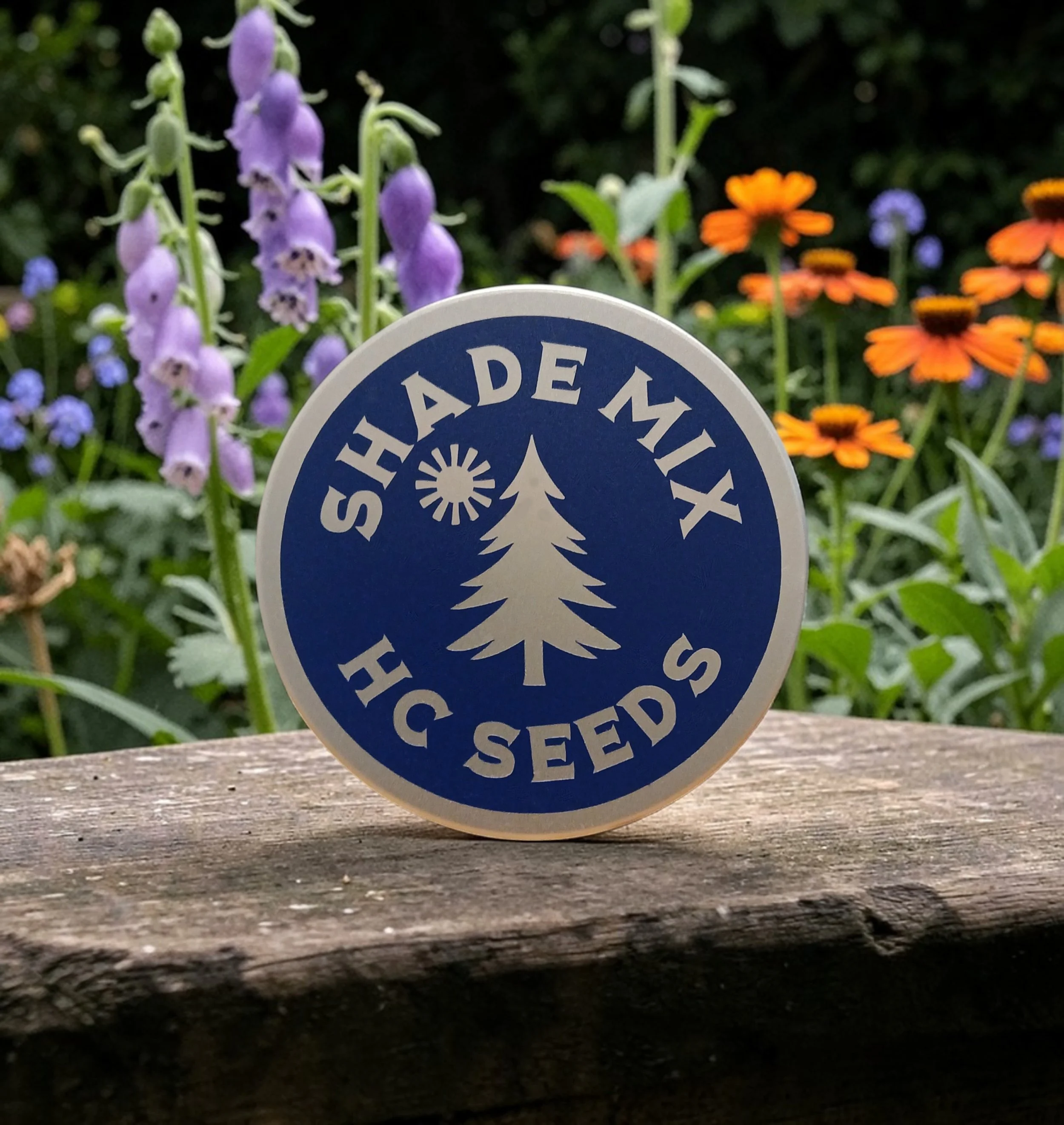 Image 6 of 9
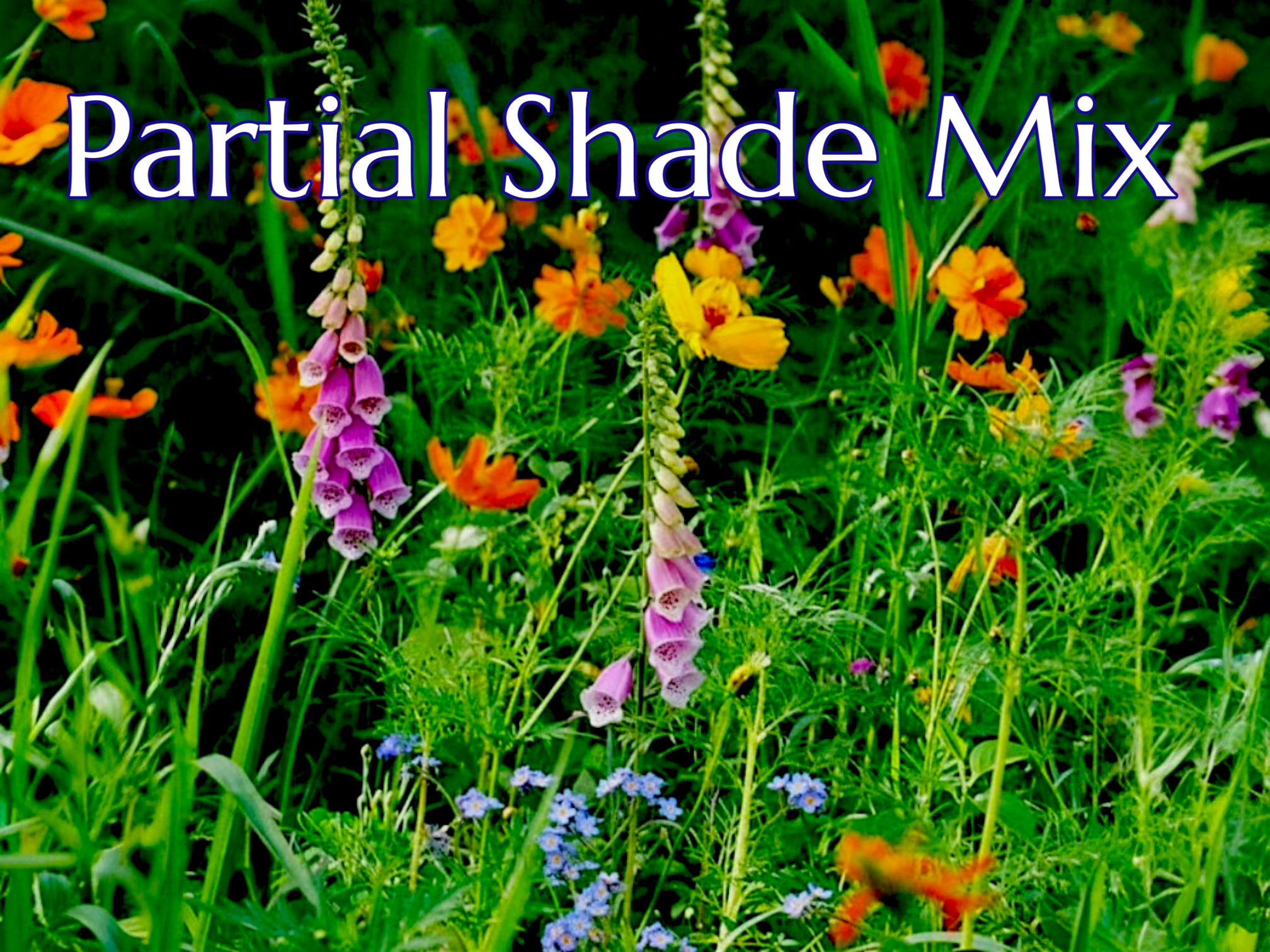 Image 7 of 9
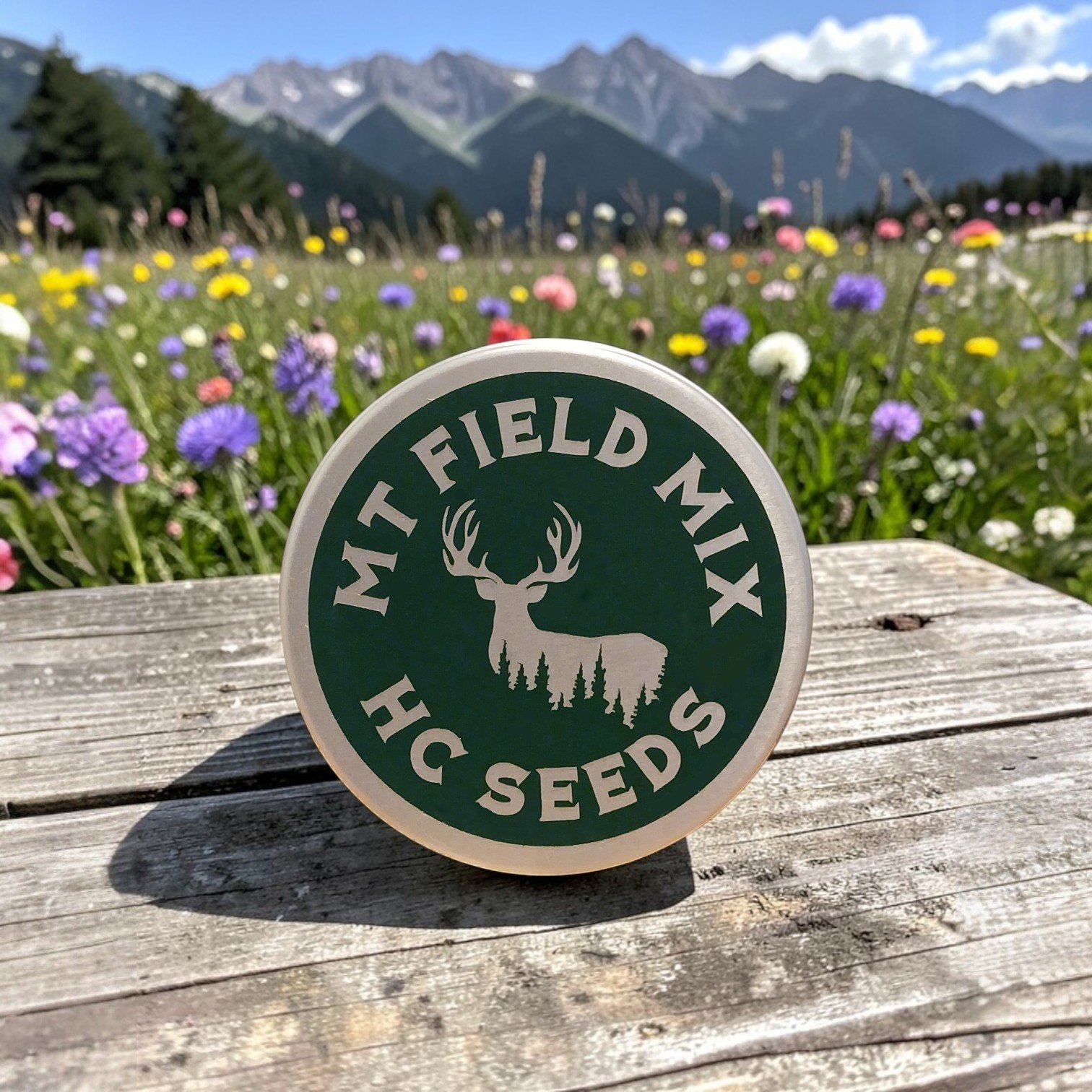 Image 8 of 9
 Image 9 of 9
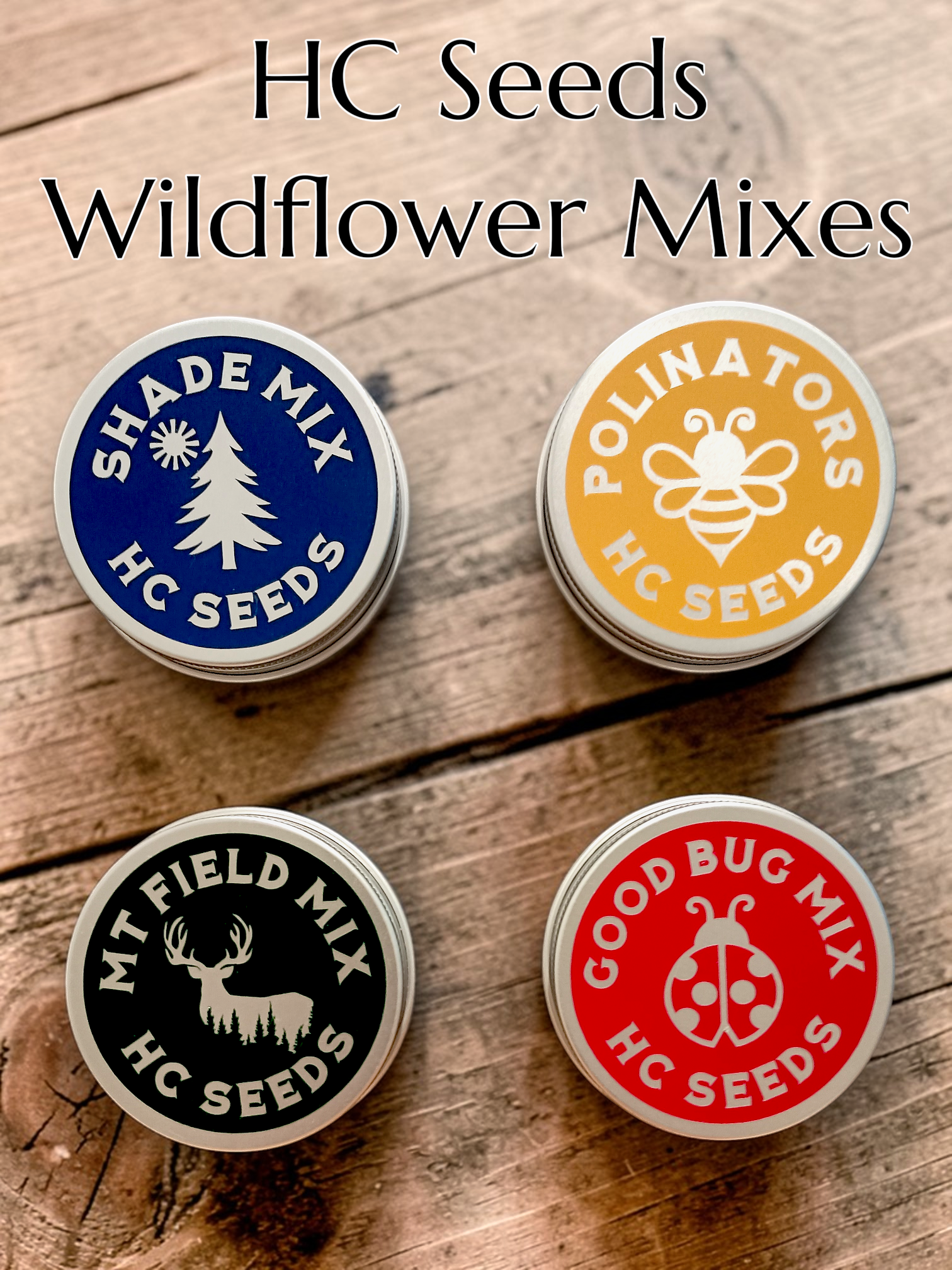
WHAT’S IN THE TIN - SEED MIXTURES
Good Bug Mix Seed Mixture
Bishops Flower, Dill Seed, Alpine Rockcress, Basket of Gold, Siberian Wallflower, Coriander, Cosmos, Purple Praried Clover, California Poppy, Firewheel, Globe Gilia, Candytuft, Shasta Daisy, Blazing Star Liatris, Sweet Alyssum, Bee Balm, Baby Blue Eyes, BlackEyed Susan
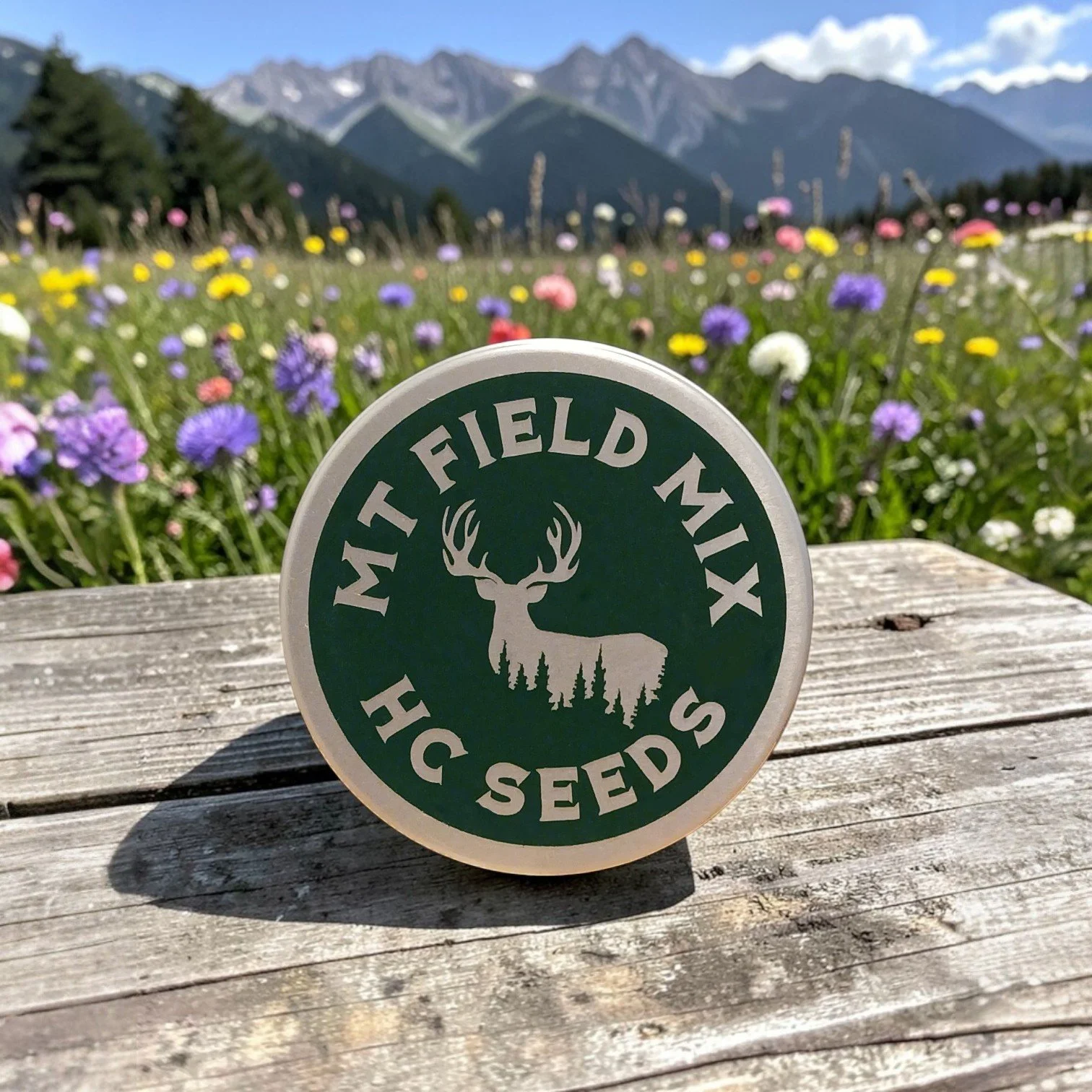
Montana Field Mix
Bachelor Button, Siberian Wallflower, Farewell to Spring, Lanceleaf Coreopsis, Plains Coreopsis, Dwarf Cosmos, Bright Light Cosmos, Sweet William, Clasping Coneflower, Pale Echinacea, Purple Echinacea, California Poppy, Blanket Flower, Firewheel, Garland Daisy, Baby’s Breath, Tidy Tips, Shasta Daisy, Scarlet Flax, Sweet Alysssum, Flowered Platcarpos, Lupine, Evening Primrose, Red Poppy, Rocky Mountain Penstemon, Bluebell, Mexican Hat, Yellow Prairie Coneflower, Black Eyed Susan, Catchfly
Polinators Seed Mixture
Black Eyed Susan, Red Poppy, Baby Blue Eyes, Sweet Alyssum, Blue Flax, Mountain, Phlox, Candytuft, Blanket Flower, California Poppy, Sweet William, Plains Coreopsis, Lanceleaf Coreopsis, Rocket Larkspur, Farewell to Spring, Godetia, Bachelor Button
Partial Shade Mix
Columbine, Batchelor Button, Siberian Wallflower, Chinese Houses, Lancleaf Coreopsis, Plains Coreopsis, Sweet William, Foxglove, Purple Echinacea, California Poppy, Baby’s Breath, Sweet Pea, Rose Mallow, Baby Snapdragon, Scarlet Flax, Sweet Alyssum, Four O’Clock, Lemon MInt, Forget Me Not, Five Spot, Baby Blue Eyes, Evening Primrose, Red Poppy, Drummond Phlox, Catchfly, Johnny Jump Up
HOW TO PLANT YOUR WILDFLOWER SEEDS IN 5 EASY STEPS
Mix your seeds with sand. Put your seeds into a bucket, bowl or bag, with plenty of extra room. Mix in roughly eight parts dry sand to one part seed. (For example: 1 ¼ cup sand to 1 Tin of seed.) Sand helps you spread seeds more evenly, and you’ll be able to see where you’ve sown. Use clean, dry, bagged sand to avoid weed seeds and clumping.
Sow your seed in two batches. Separate your seed and sand mixture into roughly two equal parts. With the first half, spread back and forth, across your area or container, spreading seeds as evenly as possible. Then, take the second half and spread in the opposite direction, spreading seeds in a similar manner.
Next, compress your seeds into the soil. After you’ve scattered your seeds, it’s important to lightly compress them for good seed-to-soil contact. Compression helps germination; ensures access to moisture and nutrients; prevents wind and water from moving seeds around; and helps anchor your wildflowers’ root system.
Leave seeds uncovered. Unlike vegetable seeds, tiny wildflower seeds require light to germinate. If planting in containers in the spring and have heavy rain, cover your seeds with frost cloth over your containers, ensuring they get light, but make sure the frost cloth is several inches above the soil and to not prevent sprouting. After last frost, you may leave the frost cloth off and allow to grow unimpeded.